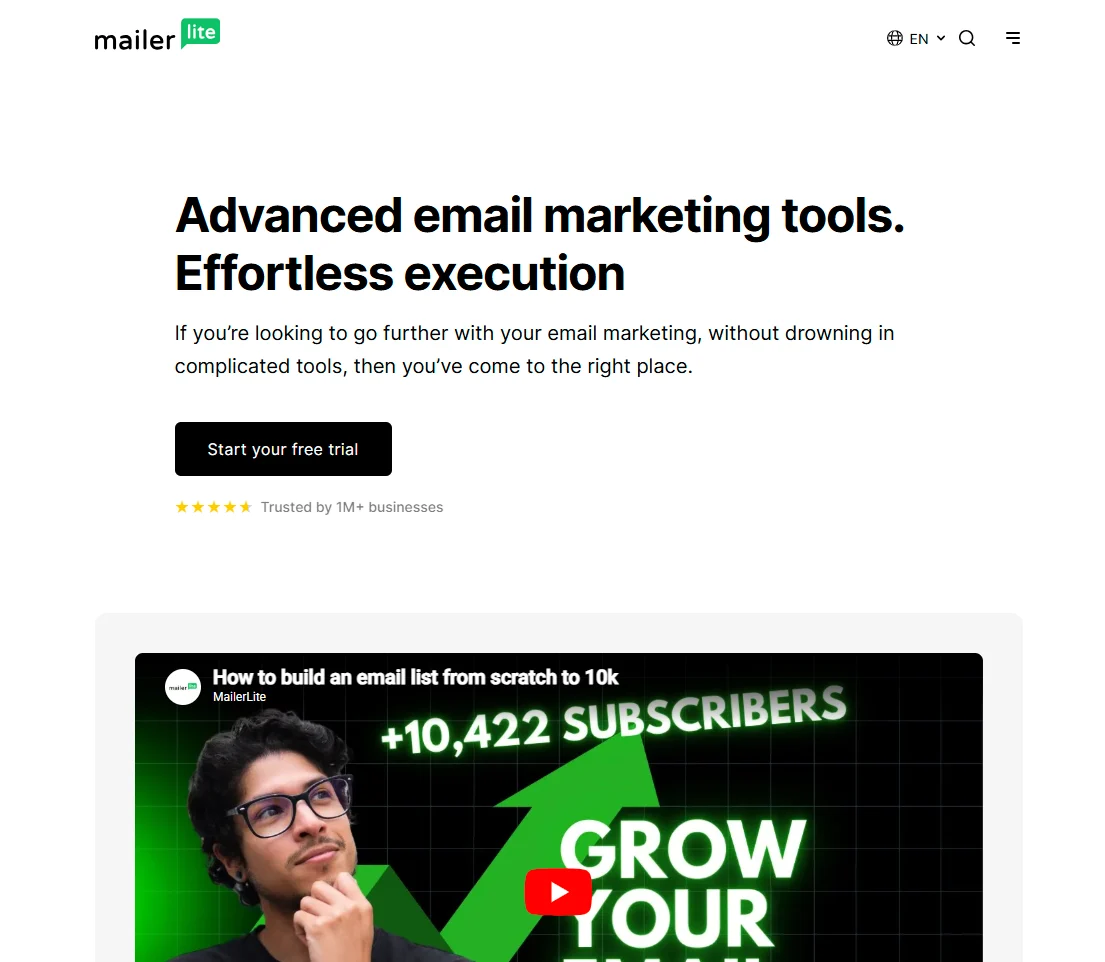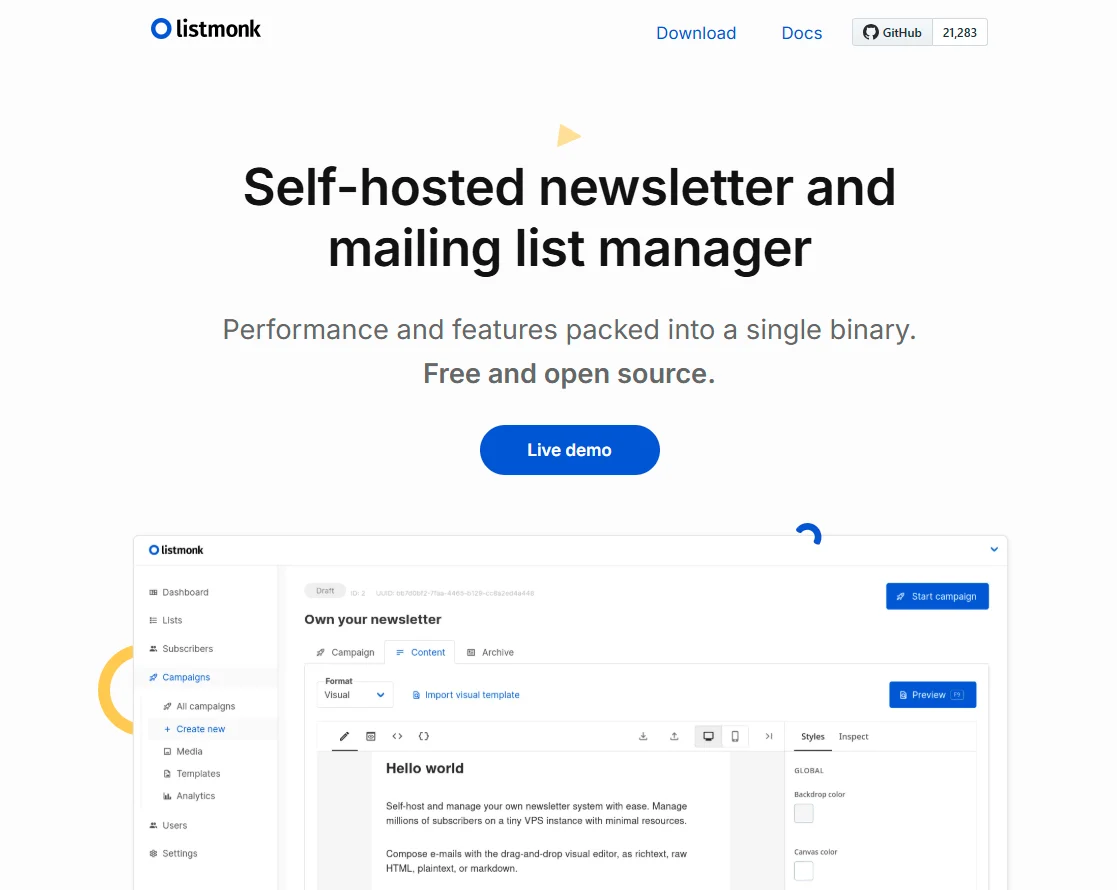
Brev vs. the rest

Brev is a small fish in a sea of whales. It is not for everyone — and we are proud of that. Here is an honest look at how Brev stands apart as a simple alternative to the big platforms. The internet moves fast, so some of this may already be out of date. Check with each service before you decide.

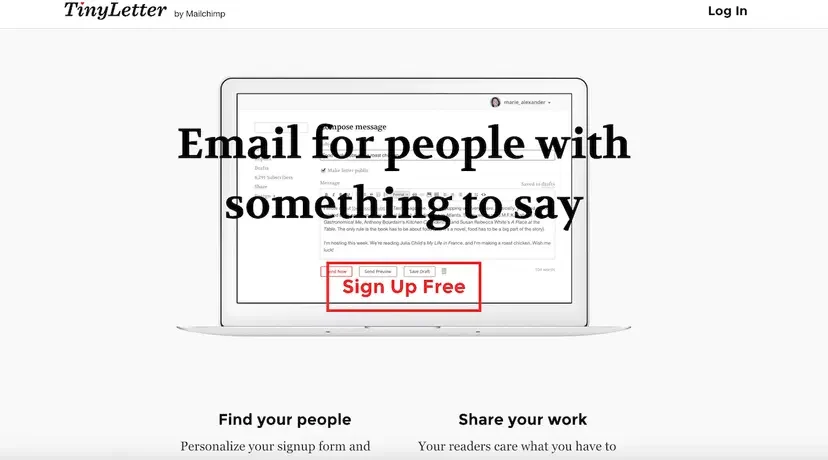
SCREENSHOT: TINYLETTER

Start here: The Tinyletter-shaped hole

For a long time Tinyletter was the go-to for people who wanted newsletters without the fuss: a small text field, a simple mailing list — often described as “just a white box”. When sending stopped for good in February 2024, one of the last proper refuges for independent writers disappeared with it.

What made it popular was intimacy and the absence of click-chasing: no site builder, no membership machine, no feed to optimise. Many have been looking for “the next Tinyletter” ever since — something that keeps what was simple, personal and close. Most modern alternatives have grown large, complex and loud.

That is why we are building Brev. We think of Brev as a spiritual successor to Tinyletter. We want the rhythm back — where the newsletter is a room for depth, not a dashboard you have to optimise, and where sending feels tactile and magazine-like. Something closer to paper than to a media product's control panel. No feed, no algorithm-chasing, no marketing racket around what you actually send. If you missed that when Tinyletter vanished, that is where we are trying to meet you.

Join the waiting list →

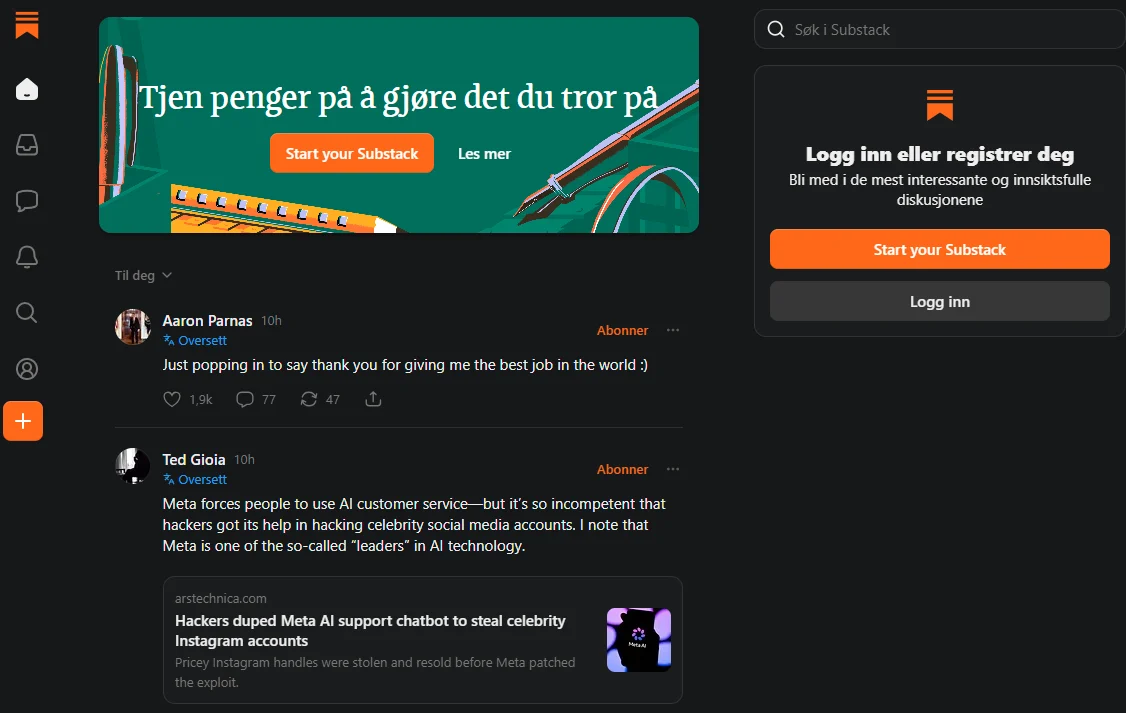
SCREENSHOT: SUBSTACK FEED

SubstackFeeding someone else's platform

Substack changed the game for independent writers by tying email to a social network. It costs nothing to start, but the day you charge your readers, Substack takes about 10 percent of your subscription income — on top of Stripe's transaction fee.

The bigger problem is ownership and noise. To justify that fee, Substack has mutated into a full social network: apps, shared feeds, recommendation algorithms, and the Twitter clone Notes. Your relationship with your readers gets eaten by the platform. You do not own your experience; you produce content to keep Substack's universe alive. Stop chasing followers, likes and network effects, and the algorithm notices.

Choose Substack if:

You want Substack's network and recommendations to reach new readers, and you are comfortable giving up 10% of your revenue to be a piece in a larger ecosystem.

Read more at Substack →

Choose Brev if:

You want the reader relationship to be direct, closed and free of algorithmic meddling. You do not want to create content for someone else's platform. Brev is about building your own room — letters that stand on their own, straight from your keyboard to their inbox.
Join the waiting list →

BeehiivBuilding a media empire

Beehiiv has become one of the most prominent players on the market, started by the people who built The Morning Brew. The service is not for those who want to sit in peace and think through a text — it is built to scale your newsletter into a commercial million-dollar business as fast as possible.

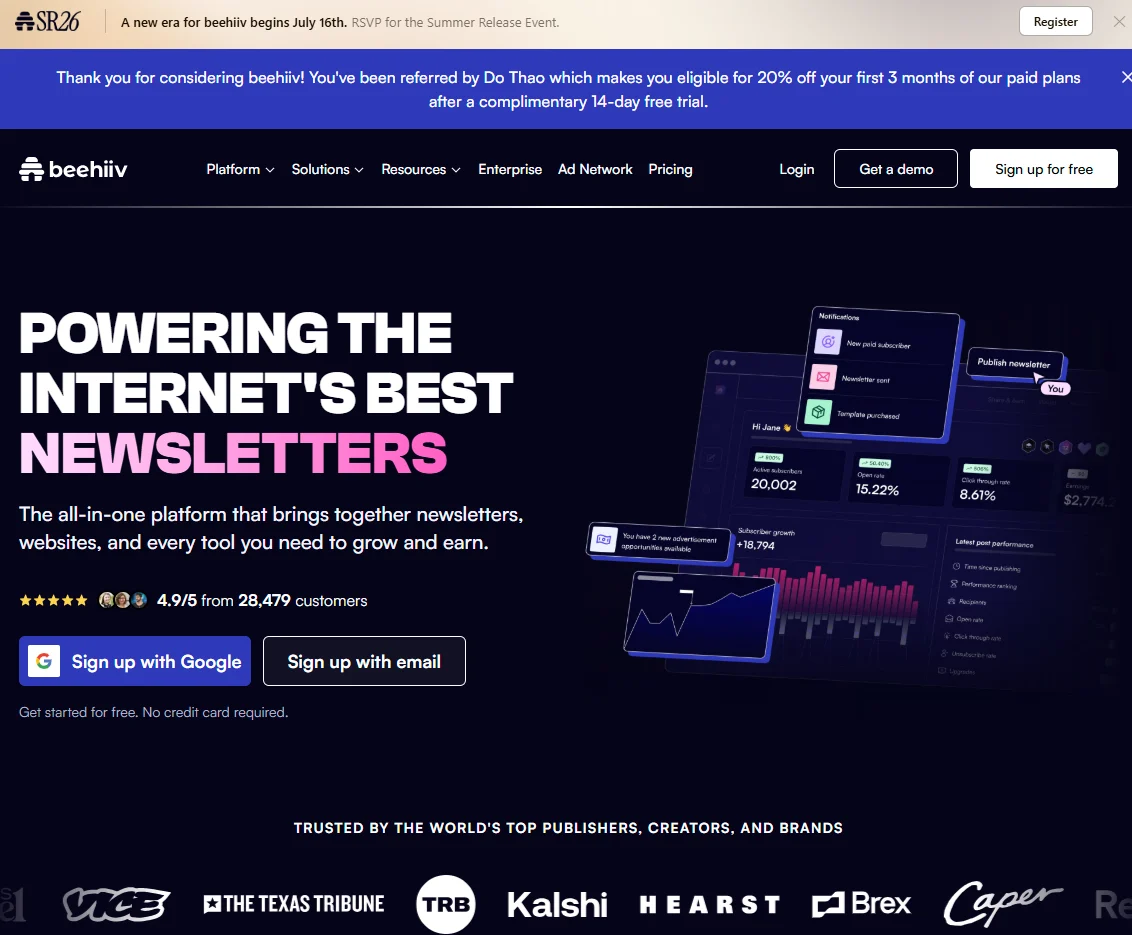
SCREENSHOT: BEEHIIV DASHBOARD WITH CHARTS

Built-in referral campaigns (readers get prizes for recruiting others), access to an ad network, and a dashboard exploding with graphs, percentages and deep analytics. They do not take a cut of subscription income, but fixed monthly fees get stiff as soon as your list starts to grow.

Choose Beehiiv if:

Your goal is aggressive growth, programmatic ad revenue, prize campaigns for new subscribers, and you love spending Sunday evening analysing click cohorts and conversion rates.

Read more at Beehiiv →

Choose Brev if:

You want to drop the feeling of running a shared office for digital marketing. You do not want readers pressed into a referral scheme, or ads for wrinkle cream and crypto in the middle of your poem. You just want a quiet, clean room for your words.

Join the waiting list →

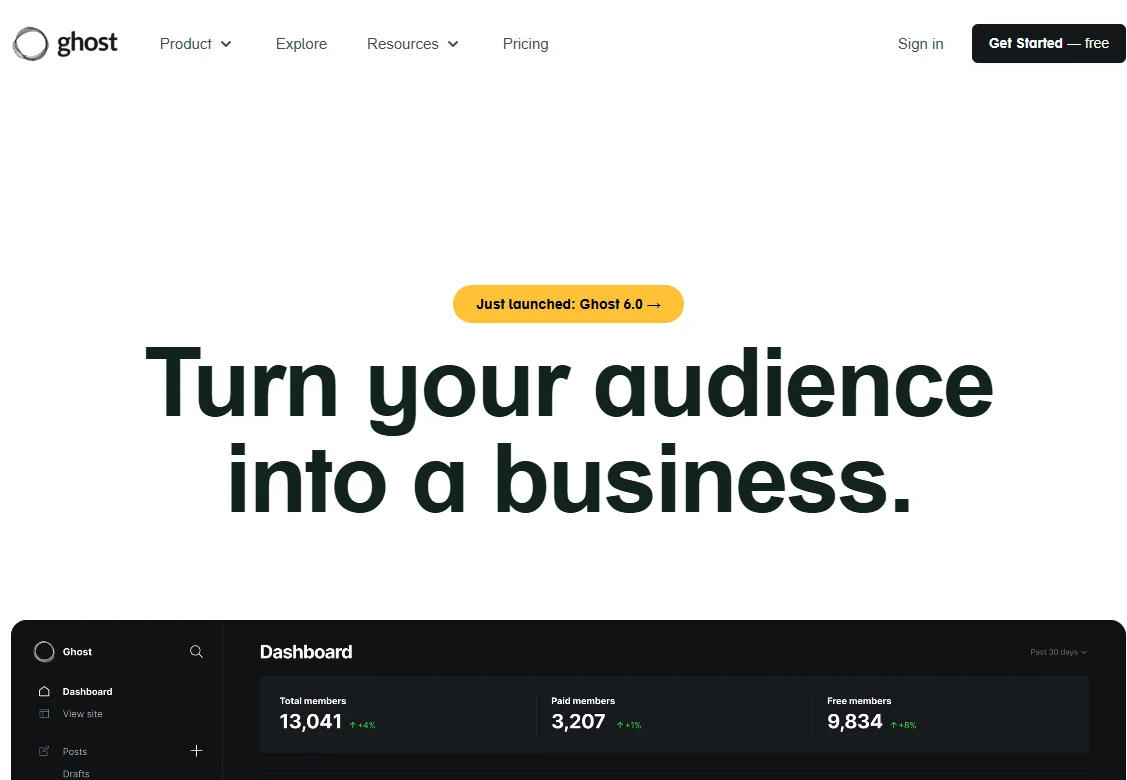
SCREENSHOT: GHOST DASHBOARD

GhostFor the ambitious (and technically fearless)

Ghost is a fantastic open-source tool — in practice a full publishing system (CMS) on a par with WordPress, built for independent journalism. Web publishing with a connected newsletter: free and paid content, Stripe integration (Ghost takes no cut of your income), advanced member segmentation.

All that power means you become your own IT department. Design themes, access levels, database schemas. The hosted option, Ghost(Pro), starts well into the dollars per month and climbs quickly with subscriber count.

Choose Ghost if:

You want to run a professional, locked-down website and newsletter as one product, you need advanced design templates, and you have the time (or money) to configure and operate it all.

Read more at Ghost →

Choose Brev if:

The thought of database schemas and technical settings makes you sweat. Instead of building a heavy publishing empire on a rented server, you just want a simple typewriter for sending considered texts in a room that feels more like an editorial archive.

Join the waiting list →

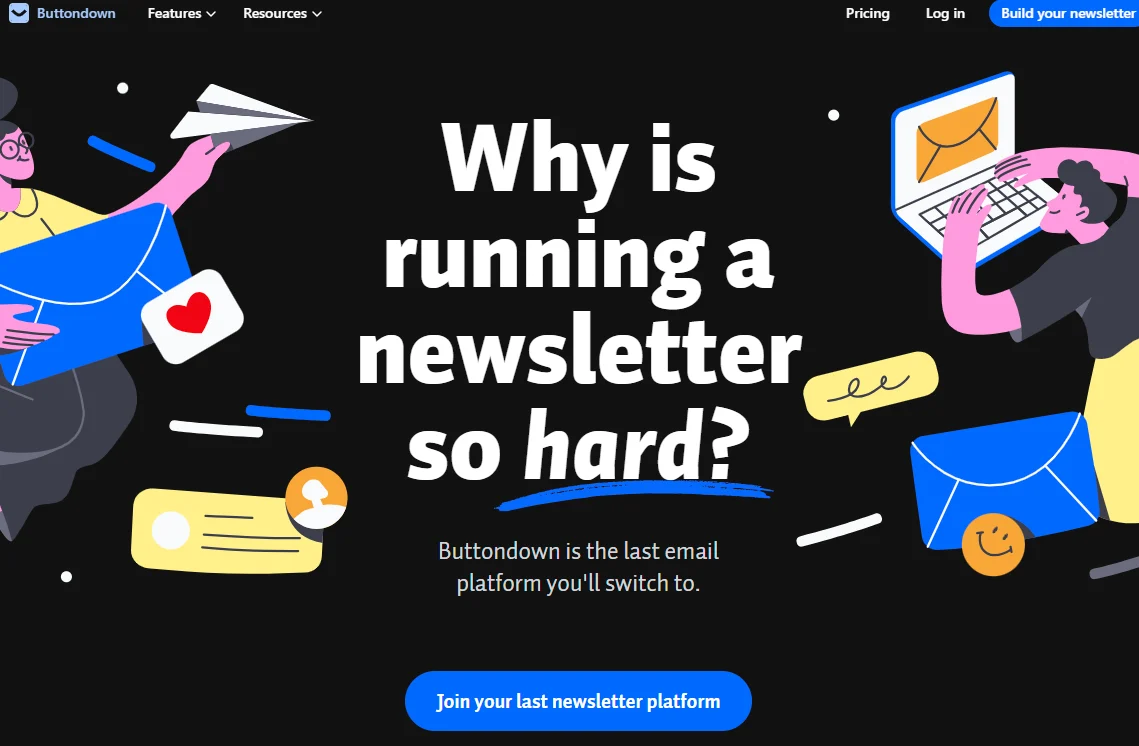
ButtondownFor the specialists

Buttondown is a sympathetic indie service — a small, remote company with no ambition to become a giant. Commendable focus on privacy, GDPR and data minimisation. A free tier for the first few hundred subscribers, then linear monthly pricing. No percentage of subscription income if you turn on payments.

SCREENSHOT: BUTTONDOWN IN TEXT MODE

The technical footprint is heavier, though. Buttondown is built for engineers: first-class Markdown, open APIs and CLI tools for people who want to code and automate their sending. Visually it is closer to a raw code editor than a showcase — efficient, but clinical.

Choose Buttondown if:

You write exclusively in raw Markdown, want to program around your newsletter via APIs, and think of email as a reliable digital pipe.

Read more at Buttondown →

Choose Brev if:

You want a more sensory, visual experience around the writing — beautiful typography and space that recalls real paper, without a tech stack greeting you when you open the blank page.

Join the waiting list →

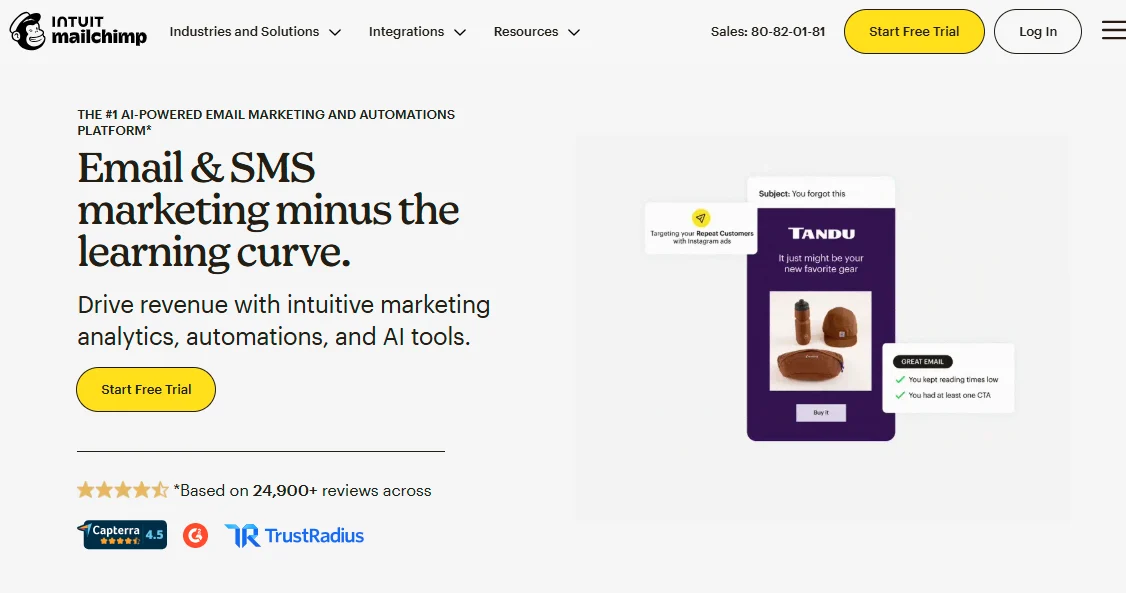
SCREENSHOT: MAILCHIMP

MailchimpThe industry titan

Impossible to talk about newsletters without mentioning Mailchimp — by far the largest player. They bought Tinyletter and eventually shut it down in February 2024, pushing people onto their own expensive plans.

Mailchimp has grown from a simple email tool into an enormous, costly marketing platform for businesses. Audience segmentation, AI-generated design, postcard mailings, social-media ad management. Solid for a marketing department — feels more like an airplane cockpit than a place for text.

Choose Mailchimp if:

You run a traditional business or webshop, need hundreds of design templates, integrations with every external system, and a marketing budget that can absorb frequent price increases.

Read more at Mailchimp →

Choose Brev if:

You want the opposite of a complicated marketing platform. You do not want to fight an opaque, heavy interface, or sponsor the company that shut down Tinyletter, just to send a few lines of text.

Join the waiting list →

Is Brev for you?

You have seen how we differ from the big platforms. Still wondering whether Brev is the right home for what you want to write?

Read “Is Brev for you?” →